Physical Address
304 North Cardinal St.
Dorchester Center, MA 02124
Physical Address
304 North Cardinal St.
Dorchester Center, MA 02124

If you have felt a sharper nip in the air recently when stepping out for your morning coffee, you aren’t imagining things. The United Arab Emirates has officially entered what meteorologists call the “Shabat” season—a 26-day window that traditionally marks the absolute peak of winter cold in the region.
While the UAE is world-famous for its scorching summers and year-round sunshine, this brief period reminds us that the desert winter has a personality of its own. Running until February 10, this season brings distinct changes to the daily forecast that residents need to know about.
Here is a breakdown of what to expect during the coldest days of the year and how you can navigate the chilly shift.
The Shabat season is a meteorological period well-known in the Gulf region. It signifies the depth of winter, where the sun’s warmth is at its weakest and the influence of northern weather systems is at its strongest.
Starting this week, thermometers across the seven emirates are expected to dip noticeably. The most intense cold snap is predicted to occur between January 12 and January 25. During these two weeks, the pleasant “winter sun” often gives way to genuinely brisk conditions that might send you searching for that jacket you only use once a year.
So, why the sudden drop? The UAE is currently in the path of cold air masses traveling all the way from Arctic and Siberian regions. These high-pressure systems push cold air southward, sweeping across the Arabian Peninsula.
To add to the chill, strong northerly winds often accompany these systems. These winds don’t just lower the air temperature; they significantly increase the “feels like” factor, making 15°C (59°F) feel much colder, especially if you are outdoors in an exposed area.
While the entire country will cool down, the intensity of the cold depends heavily on where you are located.
If you live in Al Ain, or plan on camping in the desert, be prepared for a stark drop. Inland regions lose heat rapidly once the sun sets.
Cities like Dubai, Abu Dhabi, and Sharjah benefit from the moderating effect of the Arabian Gulf. The water retains heat longer than land, keeping coastal temperatures slightly higher. However, do not be fooled—the combination of humidity and wind can still make morning commutes and evening walks feel surprisingly brisk.
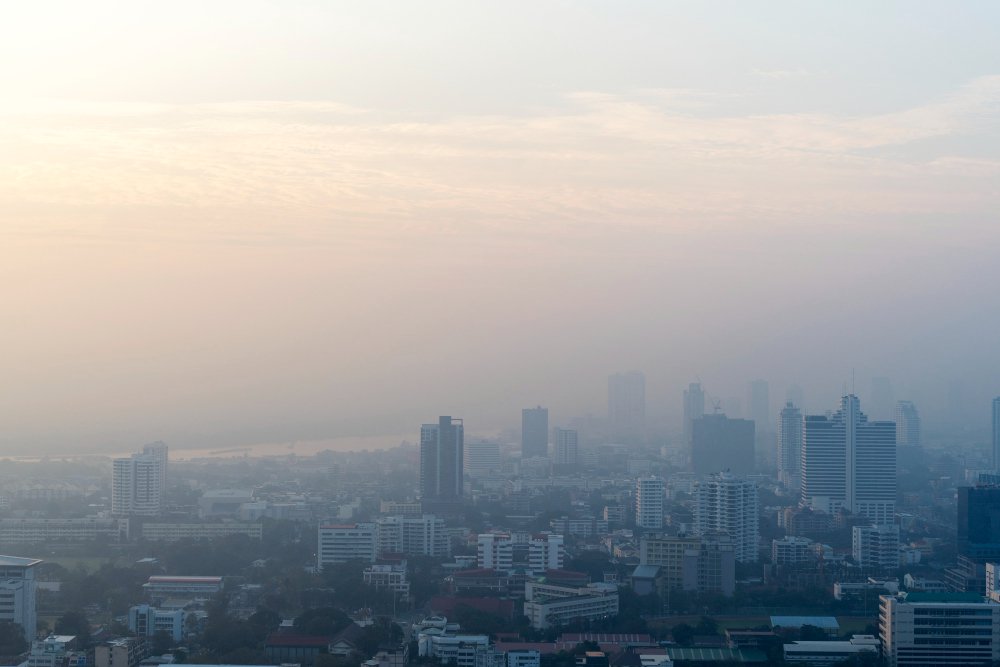
One of the most critical aspects of the Shabat season for motorists is visibility. The drop in temperature, combined with lingering humidity, creates the perfect recipe for thick fog and mist.
This is most likely to happen in:
If you have an early drive to work or the school run, expect potential delays. Visibility can drop to near-zero in a matter of minutes during these foggy episodes.
Navigating the Shabat season doesn’t require drastic measures, but a little preparation goes a long way.
The good news for sun-seekers is that this cold snap is temporary. While the Shabat season holds the region in a cooler grip for now, temperatures are expected to slowly begin their climb back up as we approach mid-February.
Until then, enjoy the rare opportunity to wear your winter wardrobe, sip hot cocoa outdoors, and experience the unique, crisp beauty of a true UAE winter.