Physical Address
304 North Cardinal St.
Dorchester Center, MA 02124
Physical Address
304 North Cardinal St.
Dorchester Center, MA 02124

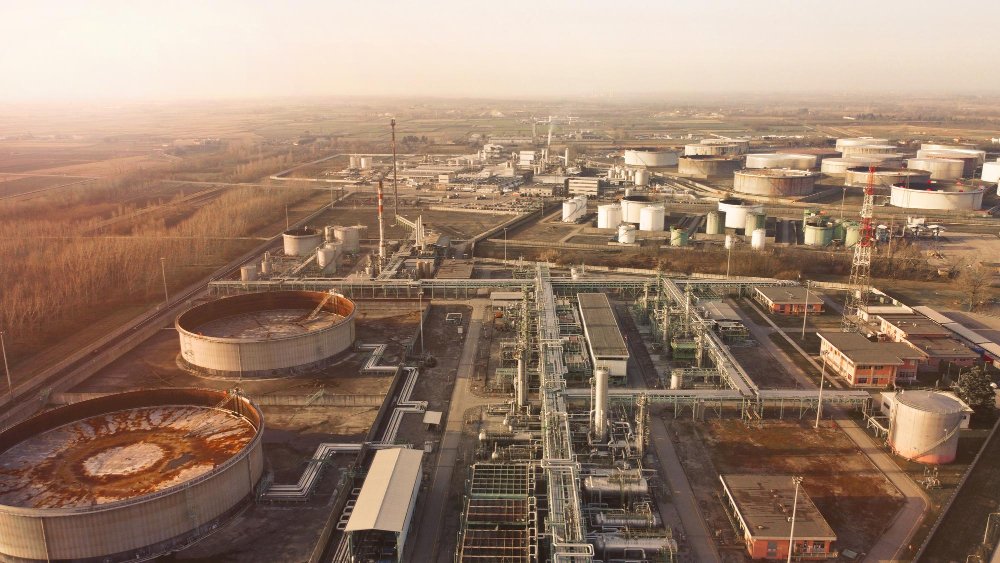
For decades, the United Arab Emirates built its prosperity on vast reserves of oil. This “black gold” fueled towering skylines and transformed desert landscapes into global hubs of commerce and luxury. Today, however, the nation is turning its attention to a different, more vital liquid: water. In a strategic pivot, the UAE is leveraging its wealth and technological prowess to secure its future, recognizing that in the arid lands of the Arabian Peninsula, underground reservoirs and artificial aquifers are the new cornerstone of national security.
Living in one of the world’s most water-scarce regions presents a profound challenge. The UAE receives less than 100 millimeters of rainfall annually, and its high temperatures lead to rapid evaporation. Historically reliant on limited groundwater, the nation has seen these natural reserves depleted by rapid population growth and agricultural demands. For a country committed to long-term stability and growth, this reliance on dwindling natural resources and energy-intensive desalination plants was not a sustainable solution.
The leadership understood that true security isn’t just about military strength or economic might; it’s about guaranteeing the fundamental resources needed for life. This realization sparked a shift in national priorities, placing water security on par with energy and economic diversification. The goal was no longer just to find more water, but to create a resilient, strategic reserve that could sustain the country through any crisis.
The UAE’s response has been a masterclass in innovation and long-term planning. Instead of solely depending on desalination plants, which provide over 90% of the country’s municipal water, the nation is creating vast underground water banks. This strategy, known as Aquifer Storage and Recovery (ASR), involves taking desalinated seawater and injecting it deep underground into natural aquifers.
One of the most ambitious examples of this is the Liwa Strategic Water Reserve near Abu Dhabi. Completed in 2018, it stands as the world’s largest man-made freshwater reserve. Over several years, millions of cubic meters of high-quality desalinated water were pumped into a network of underground basins. This subterranean reservoir now holds enough water to supply the country with over 100 million gallons per day for up to 90 days in an emergency.
The brilliance of this approach lies in its simplicity and efficiency. Storing water underground protects it from evaporation and contamination, keeping it safe and secure. It acts as a natural, large-scale storage tank that can be tapped into whenever needed, providing a critical buffer against disruptions to the desalination infrastructure, whether from technical failure, natural disaster, or regional conflict.
The UAE’s water strategy extends beyond just storage. It’s a comprehensive approach that integrates technology at every level. The nation is a world leader in cloud seeding, a weather modification technique used to enhance rainfall. Fleets of specialized aircraft are deployed to inject salt crystals into promising cloud formations, encouraging the formation of raindrops and increasing precipitation. While not a standalone solution, it is a valuable tool in the broader water management portfolio.
Furthermore, advanced technology is used to monitor and manage water resources with incredible precision. Smart grids and sensors track water consumption in real-time, helping to identify leaks and promote conservation among residents and industries. In agriculture, which traditionally accounts for significant water use, the government is promoting cutting-edge techniques like hydroponics and vertical farming. These methods can reduce water consumption by up to 90% compared to conventional farming, allowing the nation to grow more food with far less water.
These innovative efforts are deeply connected to the UAE’s wider vision for a sustainable future. By investing in water security, the country is reducing its carbon footprint. Underground storage is far less energy-intensive than continuously running desalination plants at peak capacity. This alignment with sustainability goals strengthens the nation’s economic resilience and enhances its global standing as a forward-thinking leader.
The implications of the UAE’s strategy resonate far beyond its borders. For other arid nations facing similar water scarcity challenges, the UAE offers a potential blueprint. The concept of creating strategic water reserves provides a model for decoupling national security from the vulnerabilities of surface water and complex supply chains. It demonstrates that with foresight, investment, and a commitment to innovation, it is possible to build resilience in the face of environmental pressures.
By effectively trading the profits from its oil wealth for a secure water future, the UAE is making a powerful statement. It is redefining the meaning of strategic assets in the 21st century, proving that for a desert nation, the ultimate source of power and prosperity flows not from an oil well, but from a secure, well-managed reservoir of water.